OEM or ODM for a Custom USB Run? Who Holds the Tooling and Who Owns the Design
The gap between two quotes for the same custom USB drive is rarely the chip or the mould. It is who owns the design, the steel mould, the artwork master and the compliance files. Those four assets decide whether you can take the job to a second factory next year or whether you are locked to the first one. Before you compare prices, compare who walks away with what — that is where the real money and the real risk sit.
OEM and ODM in Plain Terms: Who Brings the Design
OEM (Original Equipment Manufacturer) means you bring the product design or a detailed specification, and the factory executes it. You may hand over a 3D file, a reference sample, or a complete artwork and packaging brief. The factory makes it; you own the thinking behind it.
ODM (Original Design Manufacturer) means the factory designed the product — usually from a catalogue of existing moulds and shapes — and you choose one and put your brand on it. The design already exists; your input is selection and decoration, not invention. The factory owns the underlying product concept and, in most cases, the tooling that makes it.
Neither route is better. OEM fits a buyer who has a specific shape or function in mind. ODM fits a buyer who wants a fast, low-risk run from proven tooling. The trap is assuming the two quotes are comparable on price alone: they are not, because the asset column underneath them is different.
Where the Steel Mold Sits and What Leaving Does to It
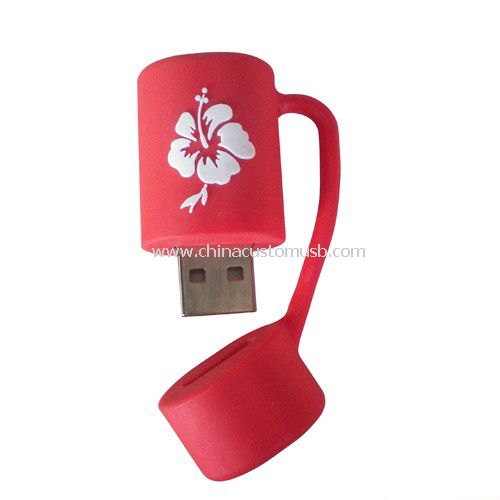
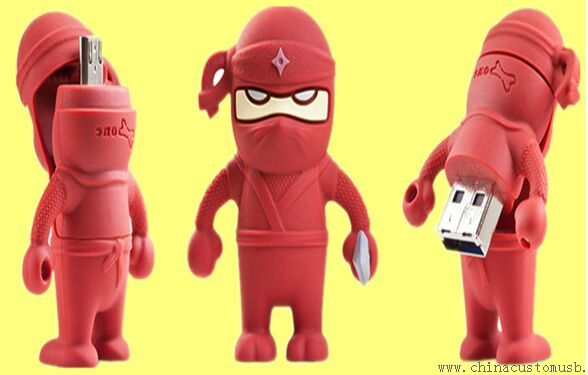
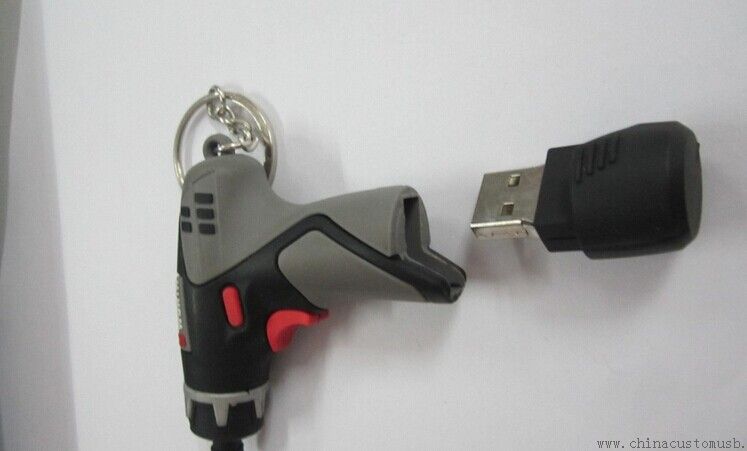
A custom 3D PVC body — a drill, a kettle, a cartoon character — is not printed, it is moulded. That mould is a steel tool cut to your shape, and it is the single most expensive thing in a custom-shape order. Who pays for it and who can take it is the question that decides your freedom to move.
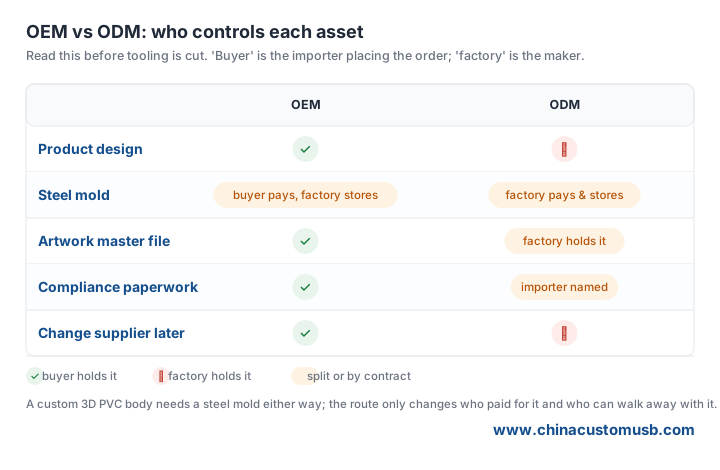
Under OEM, the buyer typically pays for the mould and should hold ownership of it in writing, even though the factory stores and maintains it on its floor. That written ownership is what lets you request the mould shipped to a new supplier instead of paying for a second one.
Under ODM, the mould is the factory's asset. It was cut for their catalogue, it sits in their tool room, and you have no claim to it. If you leave, you leave without the tool — and the next quote starts with a fresh mould cost.
The shape below is the kind that makes the question concrete: a fully custom 3D moulded body that exists only because a steel tool was cut for it.
Artwork, Packaging Dielines and Who Keeps the Master File
The logo on the drive is only half the asset. The other half is the editable master: the vector artwork, the packaging dieline, and the preload folder structure. These decide how fast and how cheaply you can reorder or switch suppliers.
Under OEM, you supply the artwork and the dieline, so the editable masters stay with you. A reorder is a file send, not a redesign; a move to a new factory is a file handover.
Under ODM, the factory often produces the artwork from your brief, and the master can sit in their system. Ask, in writing, who holds the editable source and whether you can have it. A buyer who only ever receives flat JPG proofs — not the vector master — cannot take the job elsewhere without recreating the artwork from scratch, which is a quiet but real cost on every future order.
Compliance Paperwork: Whose Name Goes on the Declaration
A custom USB drive is regulated electronics in the EU and the US: CE marks, an FCC Supplier's Declaration of Conformity, and RoHS/REACH substance statements. The documents name a responsible entity, and that naming is independent of whether you ran OEM or ODM.
Under OEM, the importer — you — is normally the entity named on the Declaration of Conformity, because you specified the product and placed it on the market. The factory supplies test data and the SDoC; you carry the responsibility.
Under ODM, the factory may issue the declaration, but the importer is still the one legally placing product on the market in your destination country. Request the Declaration, the FCC SDoC, and a lot-dated RoHS report per model and per production lot, and confirm your company name is the one on the paper.
Five Questions That Separate the Two Quotes
When two quotes land for the 'same' drive, answer these five before you pick. They turn a price comparison into an ownership comparison.
1. Did you supply the product design, or did the factory? If you brought the 3D file or the reference shape, you are closer to OEM; if you picked from the factory's catalogue, you are ODM.
2. Who paid for the steel mould, and is ownership in writing? A mould paid by you but unclaimed in contract is a mould you may never recover. Get the ownership clause before tooling is cut.
3. Who holds the editable artwork master and the packaging dieline? Vectors in your hands mean reorders are file sends; proofs only in the factory's hands mean reorders are recreations.
4. Whose name is on the CE/FCC Declaration of Conformity? Confirm it is your entity for the model and lot you are importing, regardless of route.
5. Can you take the mould and master to a second supplier without re-tooling? If the answer is no, the low headline price bought a dependency, not just a drive.
Send your artwork or a reference photo with your target quantity, and we will state in writing which route the job fits and what stays yours if you move. Get a written ownership breakdown for your custom USB run.
Need custom USB drives for your next project?
Factory-direct pricing, free digital proof and a 7-day sample turnaround.
Get a free quote